


Autumn is planning time: how to design your garden and patio with foresight
When the last leaves come off and the garden goes dormant for the winter, change seems a long way off. But now is the ideal time to shape the future of your garden. Planning a garden, whether redesigning or developing it further, requires creativity, specialist knowledge and a good feel for the interplay between space, materials and nature.
bluegardens specializes in holistic garden planning, nature-oriented design and sustainable water solutions. From the initial idea through to implementation, we support you with experience and a keen eye for aesthetics and function.
- Oliver Range
- 25. Oktober 2025
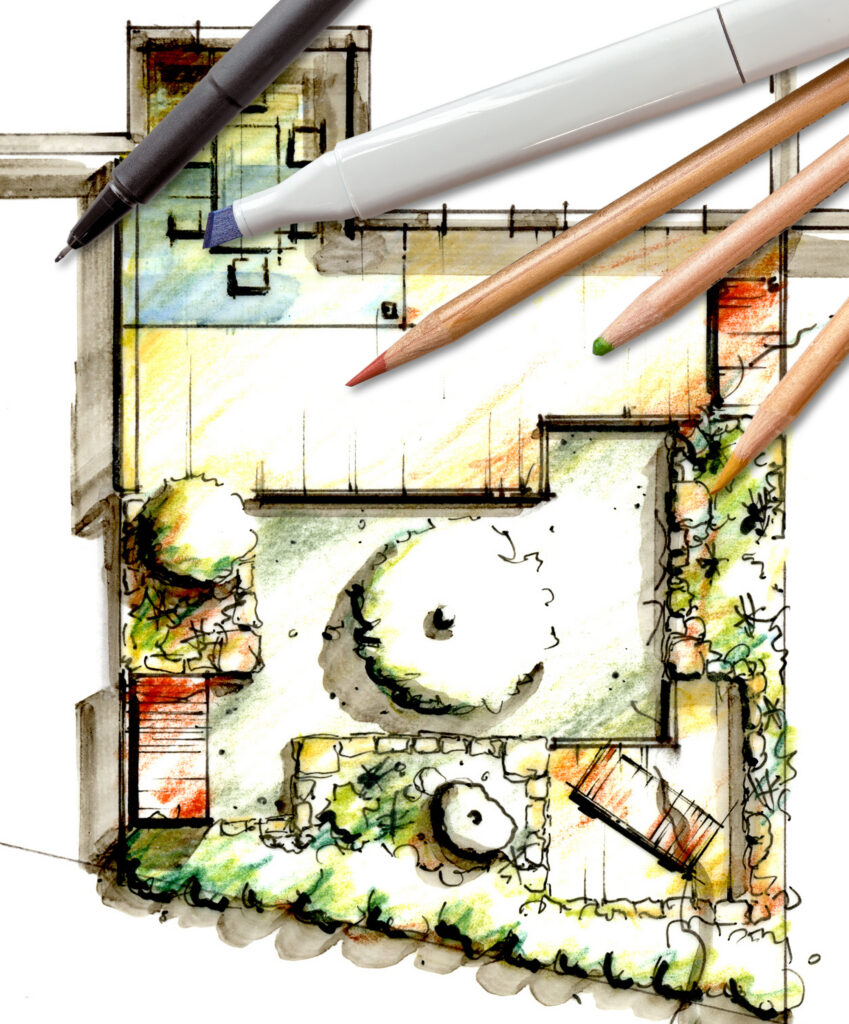
Why the cold season is the best time for garden planning
Garden planning means much more than just selecting beautiful plants. It is a well thought-out process in which spatial structures, soil conditions, usage requirements and design concepts are brought together to create a harmonious whole.
In spring, there is often not enough time for thorough planning. Autumn, on the other hand, offers calm and clarity. This is when visions can be developed, material decisions made and projects strategically prepared. If you plan in the fall, you can get straight into implementation in the spring.
Many plants do better in the cooler months of the year, especially shrubs and perennials. This way, the new garden starts with a healthy foundation.
Between desire and reality: the path to the ideal garden design
The central question is: How do you want to experience your garden? Should it be a place of retreat, a meeting place or a space for exercise? A modern garden design takes into account your lifestyle, your architecture and your requirements in terms of comfort and atmosphere.
An experienced garden architect translates these wishes into a concept that is both aesthetically pleasing and functional. They think in terms of seasons, lighting moods and visual axes. Well-founded planning prevents wrong decisions regarding plants, materials or area layout and saves costs in the long term.
Autumn planning focus: Ideas with vision
Autumn is the time to let concepts mature. We particularly recommend planning the following areas now:
Terrace design: connecting the house and garden
The patio is the central outdoor living space. It connects the interior with nature, creates atmosphere and serves as an extension of the living space. When planning, questions about orientation, choice of materials and use play a central role.
Which location offers the best sun and wind balance
Which materials suit the house and blend harmoniously into the surroundings
How large should the area be and what functions should it fulfill
A well thought-out patio design also takes drainage, lighting and modern comfort elements such as outdoor kitchens or seating islands into account.
Swimming pond or natural pool: water as a living element
Water adds depth and tranquillity to any garden. It promotes the microclimate, provides movement and, with the right planning, also offers refreshment.
A swimming pond cleans itself through plant zones and creates a natural atmosphere.
A natural pool combines biological water treatment with technical support for clear, easy-care water.
With experience, both can be seamlessly integrated into existing garden spaces – as a harmonious center or quiet retreat.

Success factors from planning practice
Every good plan follows clear design principles that combine structure and freedom:
The garden is divided into rooms. This creates variety and orientation.
Visual axes are deliberately set to create perspective and tension.
Less is often more. A clear style is more effective than many individual elements.
Ease of care is taken into account without sacrificing naturalness.
Sustainability takes center stage. Regional materials, rainwater harvesting and local plants protect resources.
Five good reasons to start now
Early planning enables the start in spring
Good garden architects are booked up early
Plants are ideal for planting in the fall
Better ideas emerge without time pressure
Permits and technical details can be clarified in good time
From the first meeting to implementation
Professional garden planning follows a clear process that combines creativity and structure.
| Step | What happens |
|---|---|
| Initial consultation | Analysis of wishes and general conditions |
| Design | Development of initial ideas and material proposals |
| Presentation | Presentation of the concepts with visualizations |
| Elaboration | Technical planning and planting |
| Realization | Coordination of the construction phase and quality control |

Each of these steps is part of a joint process. Planning means cooperation between you, the garden planner and the contractors.
A garden is more than just an outdoor space. It is an expression of your attitude to nature and part of your personal living space. If you start now, you can turn an idea into a place that will give you pleasure for many years to come.
Contact the planning team at bluegardens
Together we will develop a concept that translates your ideas into form, space and life.
Why should I start planning in autumn
In autumn, there is time for creative depth and organizational preparation. Many specialist companies are already working to capacity in spring.
Can I adapt or modernize my existing terrace
Yes, existing terraces can be extended, zoned or designed with new materials.
What does professional garden planning cost
The costs depend on the size, complexity and desired level of detail. A consultation provides clarity.
Is garden planning also suitable for small plots
Precise planning is crucial, especially on small plots. Every square meter can be designed.
How long does the implementation take
Depending on the scope, between several weeks and several months. Early planning saves time and effort.


