


Preparing the garden for winter:
Sustainable decisions for a strong spring
The garden seems quiet in winter, but beneath the surface a complex ecosystem continues to work. Making the right decisions now lays the foundation for a healthy, vibrant garden in the coming year. Sustainability does not mean doing without, but acting wisely in harmony with natural cycles.
- Oliver Range
- 5. Dezember 2025
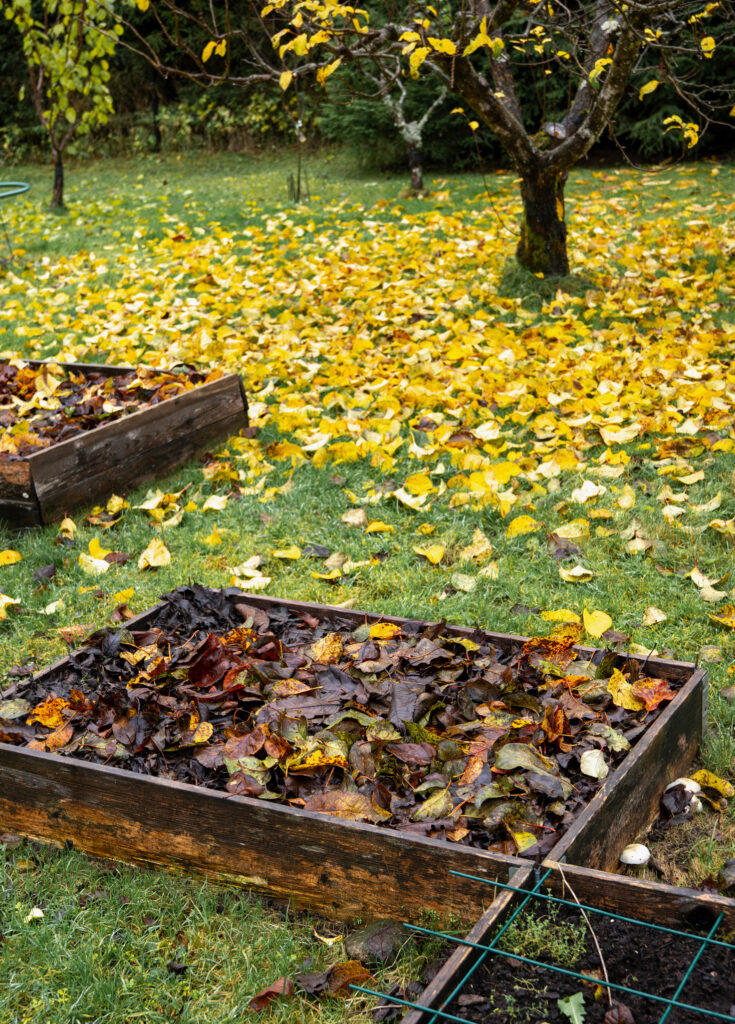
Soil rest as an opportunity for microorganisms
More organisms live in a handful of healthy garden soil than there are people on earth. Bacteria, fungi, earthworms and countless microorganisms decompose organic material, make nutrients available to plants and ensure a stable soil structure. This biological activity slows down in winter, but does not stop completely.
Specialist companies such as Immergrün from Hemer have been consistently focusing on environmental protection for over 47 years and work in harmony with nature in all their projects. The company emphasizes: “Ecological, economic and social aspects flow into every decision.”
Practical measures:
- Do not dig up the soil: The natural stratification of the soil is preserved, microorganisms are not disturbed
- Apply a layer of mulch: 5 to 10 cm of leaves, compost or chopped shrub cuttings protect against frost and provide food for soil organisms
- Leave green manure standing: Winter-hardy plants such as winter rye or incarnate clover utilize residual nutrients and prevent leaching
Reduce resource consumption
Winter is planning time. Use the quiet months to critically review the use of resources in the garden. Water, energy and materials can often be saved with simple measures.
The Lower Saxony Chamber of Agriculture recommends natural gardening as the key to conserving resources, especially in times of climate change.
Checklist resources in winter:
Range | Measure |
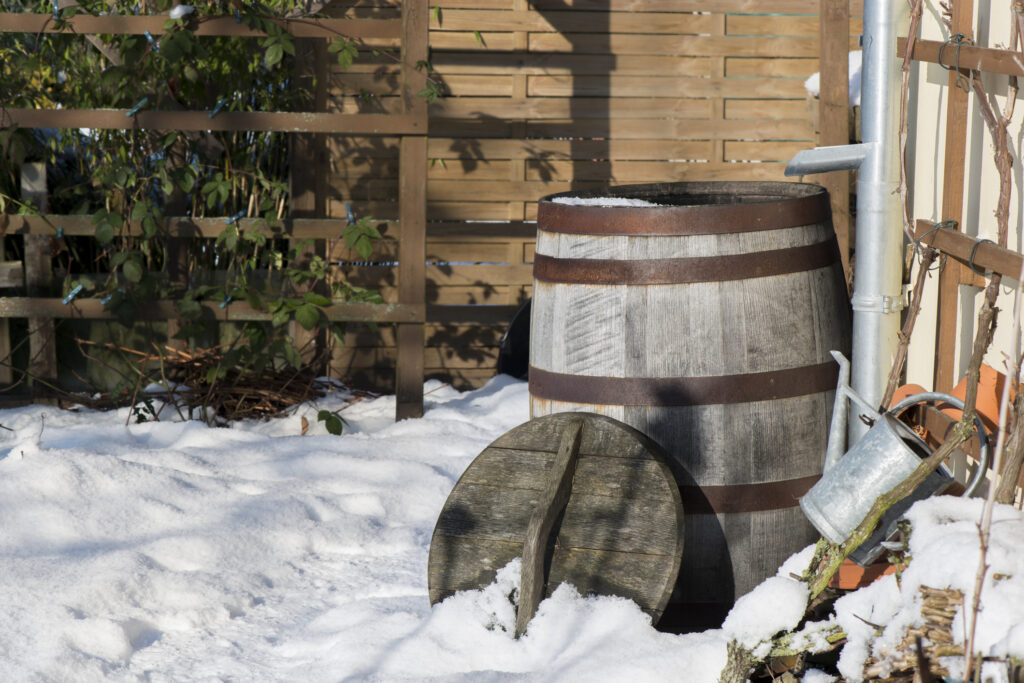
Water | Check rainwater storage tanks, plan capacities for dry summers |
Lighting | Use LED technology, reduce lighting zones |
Surfaces | Minimize sealing, maintain infiltration areas |
Devices | Battery-powered appliances instead of petrol-powered ones, pre-season maintenance |
Protecting and promoting habitats
A sustainable garden provides a habitat for insects, birds and small animals. These structures are particularly important in winter, as many beneficial insects hibernate in hollow stems, under leaves or in piles of dead wood.
Galabau Ferber GmbH from Dinkelscherben specializes in natural garden design. The family business with over 30 years of experience focuses on insect-friendly plants, regional building materials and resource-conserving working methods. “Our aim is to create gardens that are in harmony with nature,” says the company.
Preserve winter quarters:
- Leave the remains of shrubs standing: Hollow stems serve as overwintering quarters for wild bees and other insects
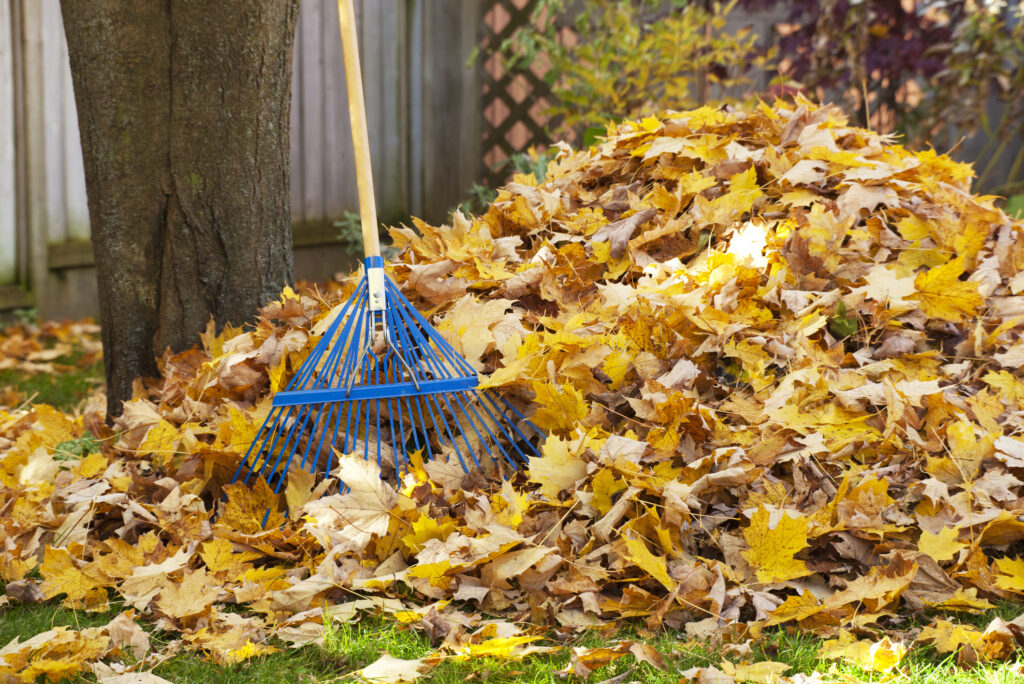
- Create piles of leaves: Hedgehogs, toads and ground beetles find protection from frost here
- Leave dead wood: Beetle larvae, fungi and lichens colonize dead wood
Consciously evaluate materials
Choosing the right materials has a significant impact on the sustainability of a garden. Regional natural stone, certified wood and recycled building materials reduce the ecological footprint.
Zinsser KG from Uelzen can look back on a tradition dating back to 1894, making it one of the oldest gardening and landscaping companies in the region. The family business combines traditional craftsmanship with modern, sustainable solutions for gardens, natural pools and swimming ponds.
Team Petrik from Saxony also consistently relies on environmentally conscious materials: “We use environmentally conscious materials, implement solutions in harmony with nature and create forward-looking gardens that are particularly sustainable.”
Keeping an eye on cycles
A sustainable garden works in cycles. Organic material is composted and returns to the beds as humus. Rainwater is collected and used in a targeted manner. Plant residues are used as mulch or food for soil organisms.
According to NABU, a poison-free, near-natural garden is the best way to promote soil life and support natural cycles.
Professional tip: A three-bin compost system enables optimum humus build-up. You collect fresh material in the first container, the compost matures for a year in the second, and you remove finished humus from the third. This system provides a continuous supply of high-quality fertilizer for your garden. |
Circular economy in the garden:
- Creating compost: kitchen and garden waste is transformed into valuable humus
- Collect rainwater: Cisterns or rain barrels reduce drinking water consumption
- Use clippings: Chopped shrub cuttings are suitable as mulch or path material
Sustainable planning for the spring
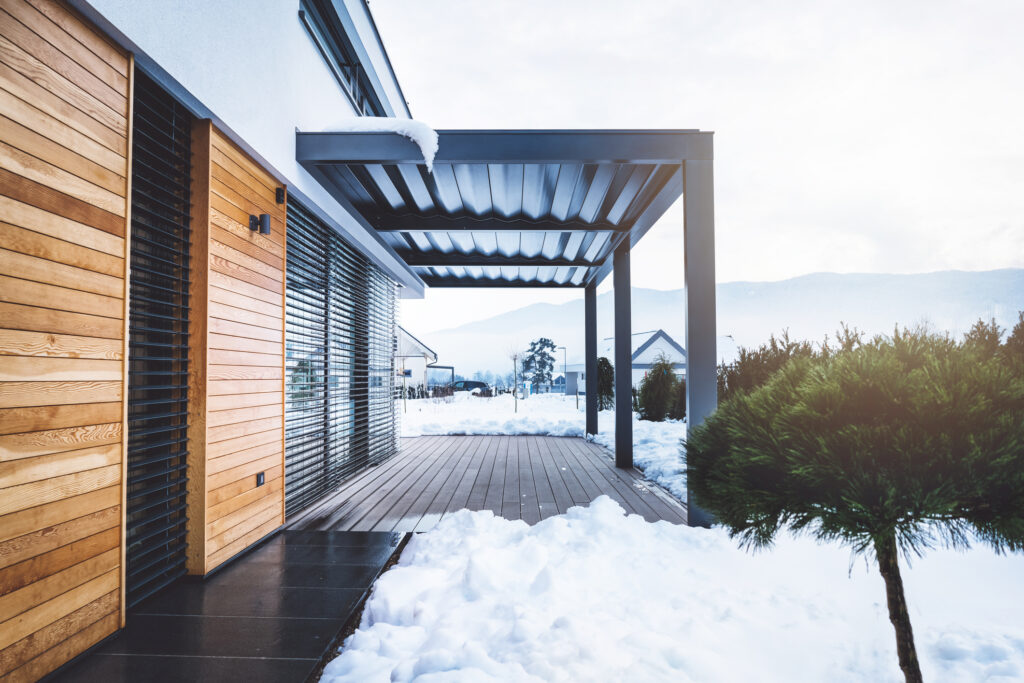
The winter months are ideal for garden planning. Professional specialist companies such as Immergrün, Galabau Ferber, Zinsser KG and Team Petrik offer 3D visualizations and individual advice to make your dream garden a lasting reality.
Why shouldn’t I dig in winter?
Digging destroys the natural soil structure and removes microorganisms from their native layers. These die if they suddenly find themselves in oxygen-poor or oxygen-rich zones. A layer of mulch protects the soil more effectively.
Which mulch materials are suitable in winter?
Leaves, mature compost, chopped shrub cuttings or straw are ideal winter mulches. They protect against frost, retain soil moisture and are slowly decomposed by soil organisms.
How do I find a sustainable horticultural business?
The bluegardens platform connects certified specialist companies that combine sustainable garden design with quality craftsmanship. Companies such as Immergrün, Galabau Ferber, Zinsser KG and Team Petrik stand for environmentally conscious work.
When is the best time to plan a garden?
The winter months are ideal for planning. Specialist companies have more capacity for consultations and you can develop concepts in peace before implementation begins in spring.
How can I save water in the garden?
Collecting rainwater, creating mulch layers and choosing drought-tolerant plants reduce water consumption considerably. Modern irrigation systems with moisture sensors make targeted use of water.
What does sustainable garden design cost?
The costs vary depending on the scope of the project. Sustainable materials and well thought-out planning often pay for themselves through lower maintenance costs and longer durability. A consultation with a bluegarden specialist company will provide clarity.


